
All content
Browse all articles and insights from the TrueScreen blog
Articles

Data Certification for AI Agents: Governance, Compliance and Legal Liability
Agentic AI governance requires data certification at 4 levels. Legal framework, AI Act art. 12 compliance and audit trail.
What Is C2PA? History, How It Works and Its Limits
C2PA explained on the 2.4 specification: what a signed manifest proves, who signs at capture in 2026, and the limits in the coalition's own threat...

Electronic Seal: What It Is, How It Works, and Differences from Digital Signature
The difference between a qualified electronic seal and a digital signature under eIDAS: what each certifies, who uses them, and when each applies.

Content Authenticity: Why Certification at Source Is the Only Scalable Defense
Content authenticity and digital provenance: why AI detection fails systematically and how forensic certification at source protects enterprises.

AI war disinformation: why certified evidence beats detection
18 false claims in three weeks. AI detection tools cannot keep up. Forensic content certification at capture is the proven alternative for conflict zones.
Qualified electronic timestamps: how they work and when they are legally required
What a qualified electronic timestamp is and why eIDAS Article 41 gives it a legal presumption of accurate date and data integrity across the EU.

Real estate deepfake fraud and forged documents: how to protect transactions
Real estate scams with deepfakes and forged documents: wire fraud risks for buyers and sellers, and how forensic certification protects every transaction.

Deepfake detection: why it fails at scale and what data authenticity platforms do instead
Deepfake detection accuracy drops below 40% on unseen models (NIST). Data authenticity platforms certify content at the source with forensic methodology.
Digital forensics certification: what it means to certify data with forensic standards
Digital forensics certification explained: international standards, forensic acquisition methodology, and chain of custody for court-admissible evidence.

Digital evidence in insurance: how to protect the claims process from AI manipulation
Digital evidence in insurance claims is vulnerable to AI manipulation. Forensic source certification guarantees integrity and legal validity of every.

Data provenance: tracking data origin, lineage, and source authenticity
Data provenance explained: what it means, how it tracks the origin and integrity of data, and why source authenticity matters for AI and enterprises.

Digital Provenance: Definition, Tracking, and Trust in the AI Era
Digital provenance explained: how to track the origin and integrity of digital content and build verifiable trust in the age of AI-generated media.
How to Make Digital Evidence Admissible in Court (2026)
What makes digital evidence admissible in court: legal standards, chain of custody and forensic requirements that keep your evidence from being challenged.
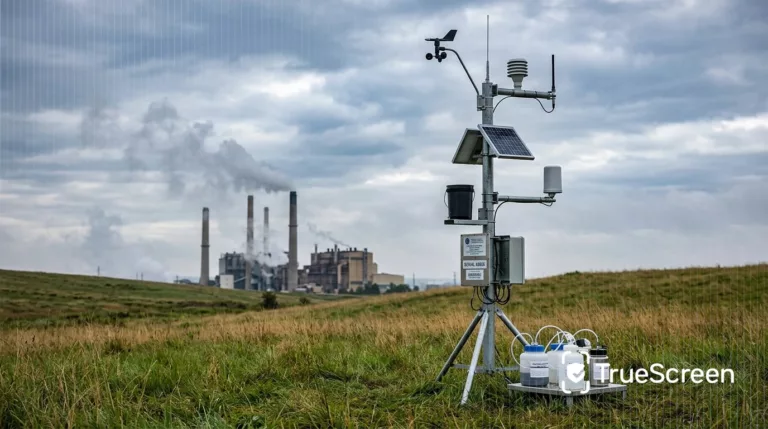
ECGT Directive: Why Corporate Environmental Data Must Be Certified
The ECGT Directive requires companies to certify environmental claims with verifiable data. Compliance requirements, timelines, and penalties explained.

Insurance fraud in the generative AI era: why certifying evidence is the only structural defense
AI-generated insurance fraud costs $308 billion a year. Why detection is not enough and how forensic evidence certification changes the rules.

Web page certification: how to obtain digital evidence with legal value
Web page certification turns online content into legally valid evidence. Screenshot limits, alternatives, and forensic methodology explained.

How to certify an email: complete guide to email certification
An ordinary email can carry evidentiary weight when content, sender and date are preserved and verifiable: what makes it stand up in court.

The Future of Digital Trust Infrastructure
From wax seals to HTTPS, trust has always required certification infrastructure. Digital provenance is the next standard organizations must adopt.

Online meeting certification: legal value and real-world use cases
Online meeting certification with legal value: how to guarantee evidentiary standing for video conference recordings in board meetings and arbitration.
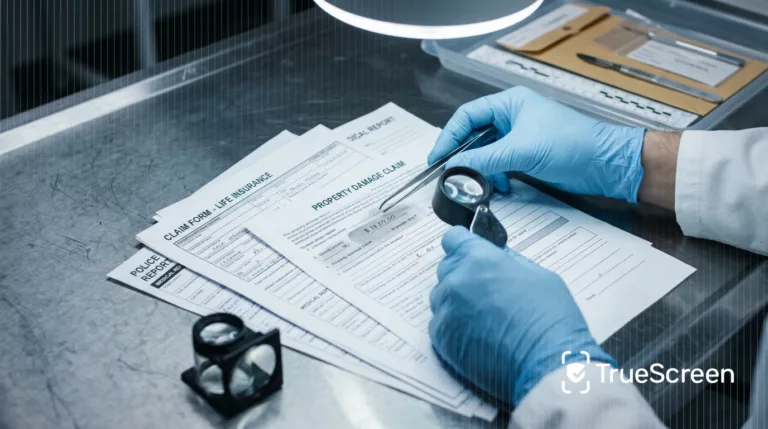
AI-Generated Insurance Fraud: Why Evidence Certification Is the Only Scalable Defense
AI-generated synthetic identities and manipulated documents are surging. Why certifying evidence at capture is the only scalable defense for insurers.
Insights

Spoliation of evidence: what courts do when digital evidence disappears

How to fake a screenshot: date, place and messages that were never there

How to remove C2PA Content Credentials from an image, a video or a PDF, and what you actually gain

How to change a photo’s date, location and camera in the metadata, and why it proves nothing
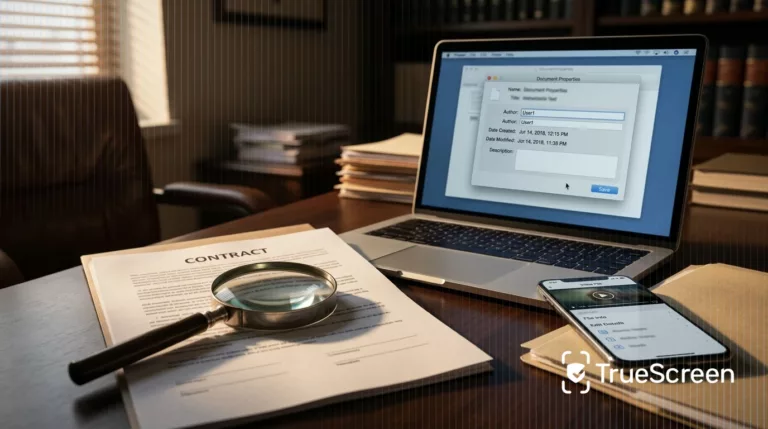
How to edit (or wipe) the metadata of an MP4 or a PDF, and what a forensic reader still sees
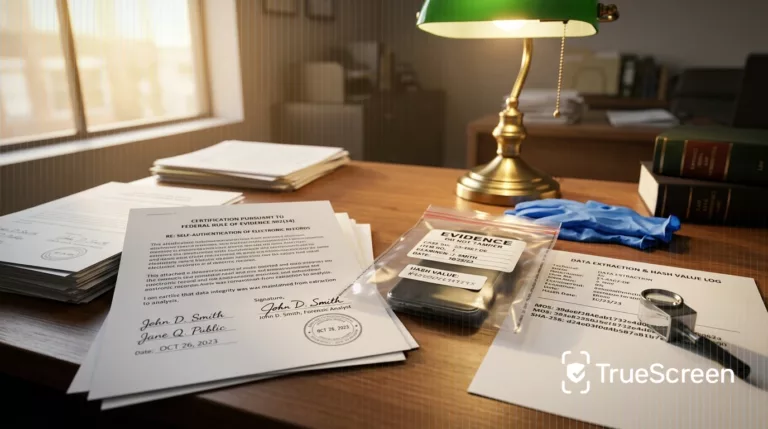
FRE 902(13) and 902(14): When an Electronic Record Authenticates Itself
APP Fraud Evidence: What to Secure When a Hacked Account Asks You for Money
Challenging the authenticity of an electronic document: what actually shifts the burden

Education Verification in Hiring: What a Registry Check Cannot Prove

Move-out inspection report: how to prove rental damage

Vacation rental scams: certify the listing, chat and payments before they vanish

Unauthorized account access: what to document before you reset credentials
Forensic Capture of Password-Protected Web Pages: Portals and Private Areas

Submitting video evidence to police: what to hand over and in what format

WhatsApp voice notes as court evidence: legal value and how to certify audio messages

Advanced electronic signature with national eID: legal value for businesses and professionals

Certified email formal demand: evidentiary value and common challenges
AI liability insurance: why data certification is a prerequisite for coverage
eIDAS 2.0 Timestamp Requirements: What Changes for QTSPs and Businesses