All content
Browse all articles and insights from the TrueScreen blog
Articles
Digital Notarization: Why Forensic Methodology Matters More Than Blockchain
Digital notarization verifies who signs, not what is signed. Learn why forensic methodology solves the content authenticity gap blockchain cannot.
Wayback Machine as Evidence: Legal Limits and Certified Alternatives
Can Wayback Machine screenshots stand as legal evidence? The admissibility limits of web archives and how to certify web pages with real legal value.
MiFID II Recording Obligations: Requirements, Penalties and Compliance Guide
MiFID II recording obligations for financial communications: regulatory requirements, penalties for non-compliance and certified solutions.
Document dematerialization: from scanning to legally certified digitization
Complete guide to document dematerialization: from scanning to legally certified digitization with blockchain timestamping.
Advanced Electronic Signature: What It Is, How It Works, and eIDAS Regulation
Advanced electronic signature (AES) under eIDAS: the 4 requirements, legal validity across EU, and how to integrate AES in business workflows.
Social Media Evidence in Court: How to Capture and Authenticate Posts
How to use social media evidence in court: capturing posts, the authentication requirements, and certifying content so it holds up as legal evidence.
FRE 901: How to Authenticate Digital Evidence Under Federal Rules
How FRE 901 applies to emails, screenshots and video: the 901(b) methods courts accept, when 902(13) and (14) help, and where the AI rules stand...
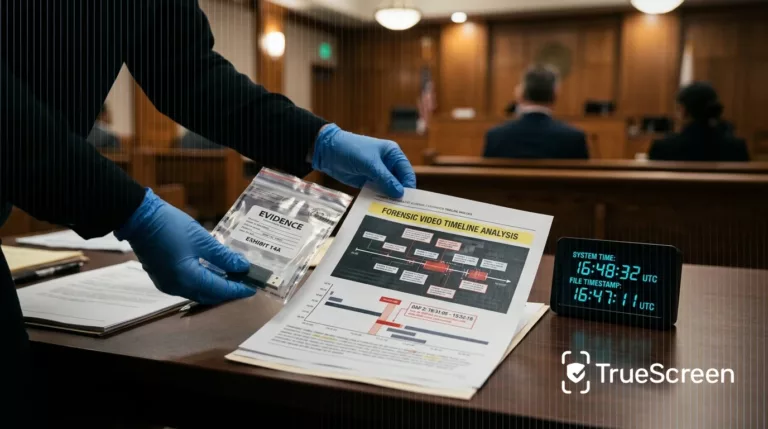
Video Evidence with Altered Timestamps: Court Admissibility Standards
Can video with an altered or tampered timestamp be used in court? How courts assess metadata and how to certify video so its date holds...
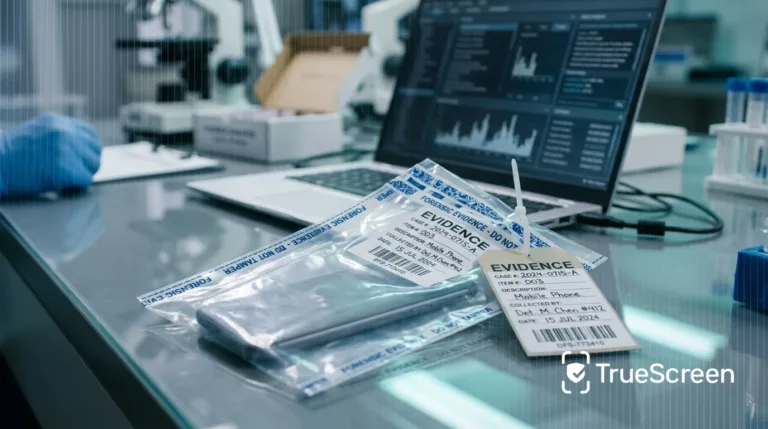
Digital Chain of Custody: What It Is and How It Protects Evidence
How the digital chain of custody protects evidence: what to document, the common mistakes, and how to preserve integrity from acquisition to court.
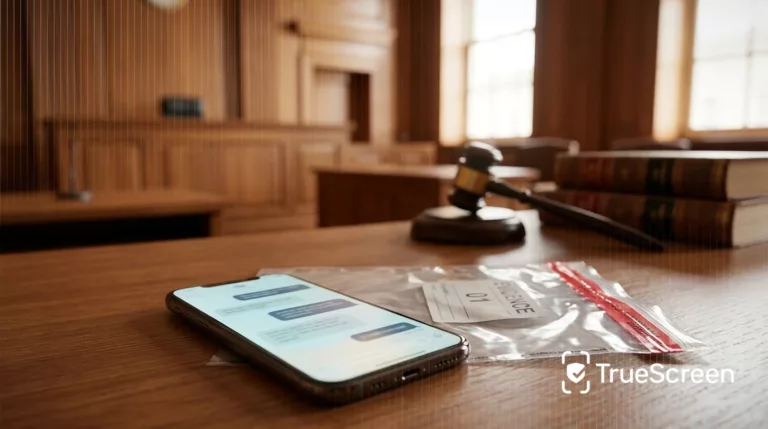
Screenshot Evidence in Court: How to Make Screenshots Legally Admissible
Can a screenshot be used as evidence in court? When screenshots are admissible, why they are often challenged, and how to certify them with legal...
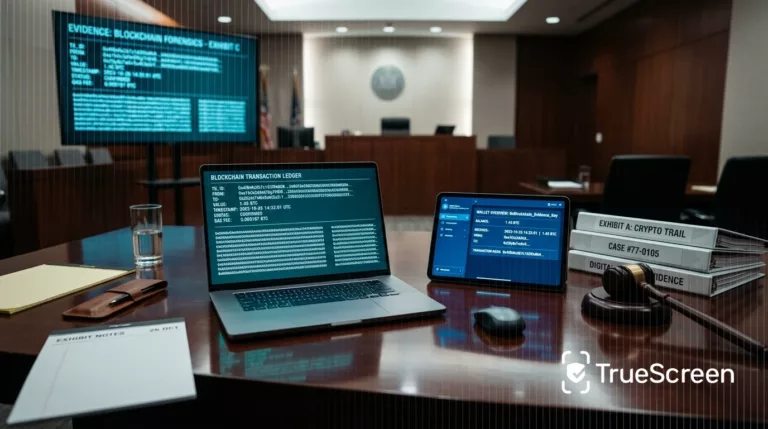
Court-Ready Blockchain Evidence: Legal Standards and Admissibility
How Vermont 12 V.S.A. 1913 and Arizona HB 2417 treat blockchain records, and what a hash on a ledger still cannot prove about the original...
How to Preserve Digital Evidence for Court: The Complete Guide
A step-by-step guide to preserving digital evidence for court: acquisition, chain of custody and forensic best practices that keep evidence admissible.
Photo Verification: How to Verify and Authenticate Digital Images
How photo verification works: methods to check if an image is authentic or manipulated, and how to certify photos with legal value at the source.

The digital trust gap: why every piece of data will need a trust layer
The digital trust gap is widening as AI-generated content outpaces verification. A trust layer certifies data authenticity at source, not after the fact.
The litigation cost of uncertified evidence: when a judge rejects a photo
Uncertified digital evidence costs denied claims, forensic fees and months of delay. What happens when a judge rejects a photo and how to prevent it.
How to Certify Photos with Legal Value: A Forensic Guide
How to certify photos so they hold up as legal evidence: what makes photographic evidence admissible in court and how forensic capture protects it.
AI fingerprints can be removed and forged: the Edinburgh study that challenges deepfake detection
Edinburgh researchers tested 14 fingerprinting methods on 12 AI generators. Result: 80%+ removal, 50%+ forgery success. Why digital provenance beats.
eIDAS 2 and Qualified Electronic Seals: What Changes for European Businesses
Qualified electronic seals under eIDAS 2 Regulation (EU 2024/1183): QTSP requirements, EUDI Wallet deadlines, and compliance steps for European businesses.
Document Forgery in the Age of AI: Risks, Real Cases and How to Protect Yourself
How AI is used to forge documents, why fakes are harder to spot, and how source certification protects claims and evidence against document fraud.
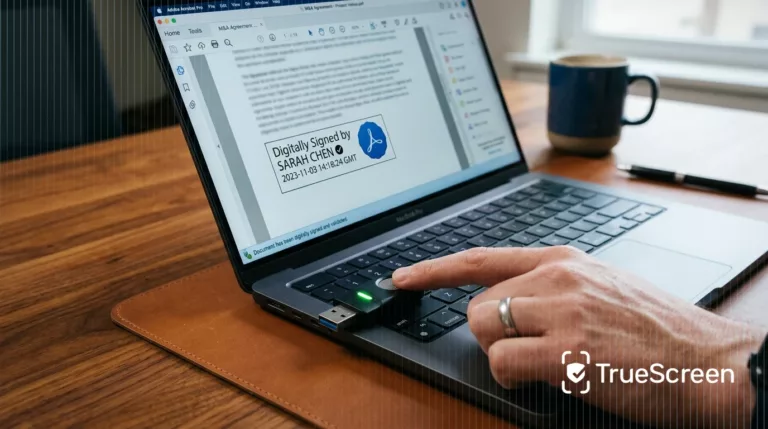
Digital Signature: Practical Example, How It Works and How to Verify It
Practical example of a digital signature on PDF documents. Learn how it works, the difference between CAdES, PAdES and XAdES, and how to verify validity.
Insights
Spoliation of evidence: what courts do when digital evidence disappears

How to fake a screenshot: date, place and messages that were never there
How to remove C2PA Content Credentials from an image, a video or a PDF, and what you actually gain
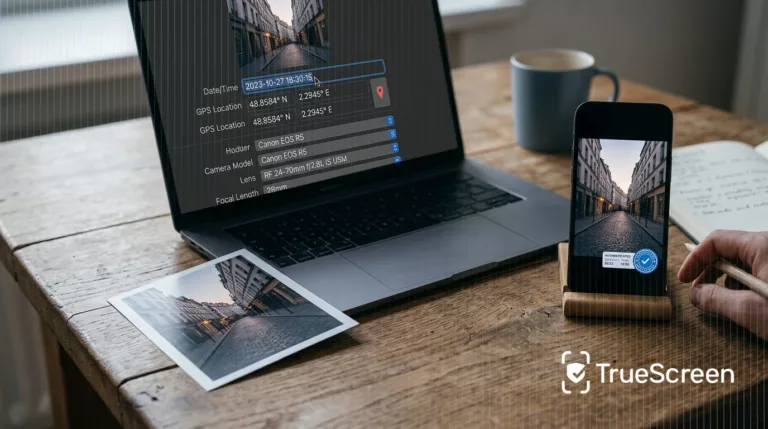
How to change a photo’s date, location and camera in the metadata, and why it proves nothing
How to edit (or wipe) the metadata of an MP4 or a PDF, and what a forensic reader still sees
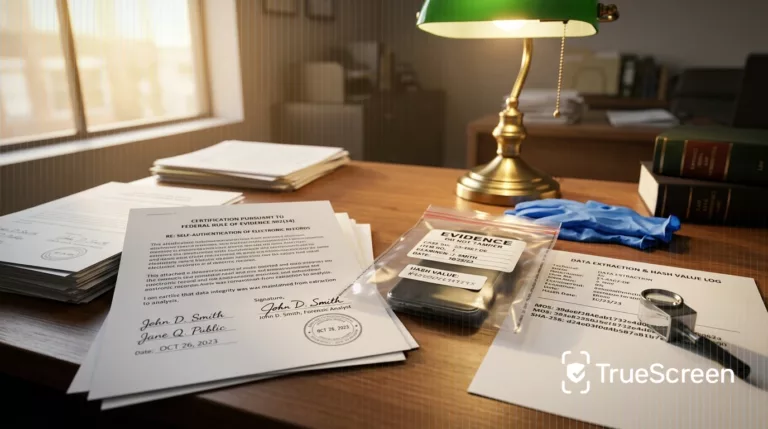
FRE 902(13) and 902(14): When an Electronic Record Authenticates Itself
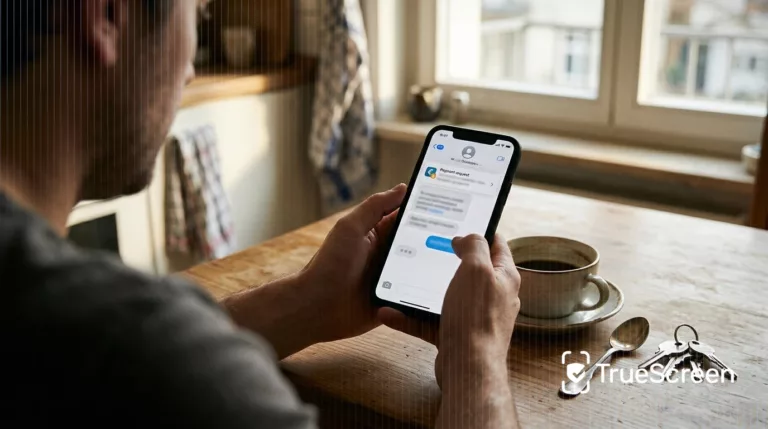
APP Fraud Evidence: What to Secure When a Hacked Account Asks You for Money
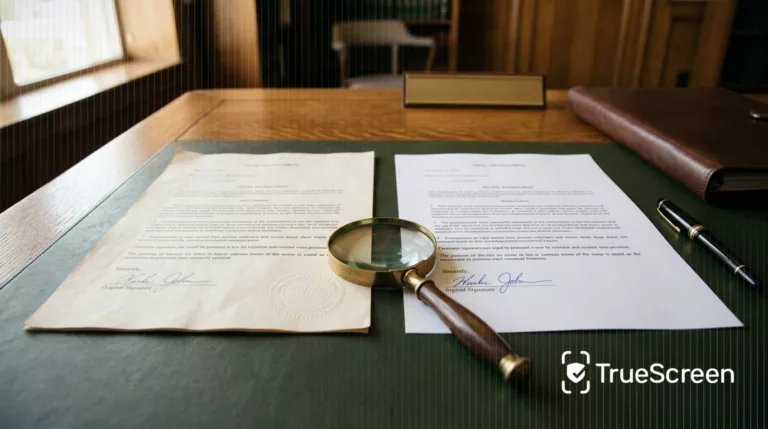
Challenging the authenticity of an electronic document: what actually shifts the burden
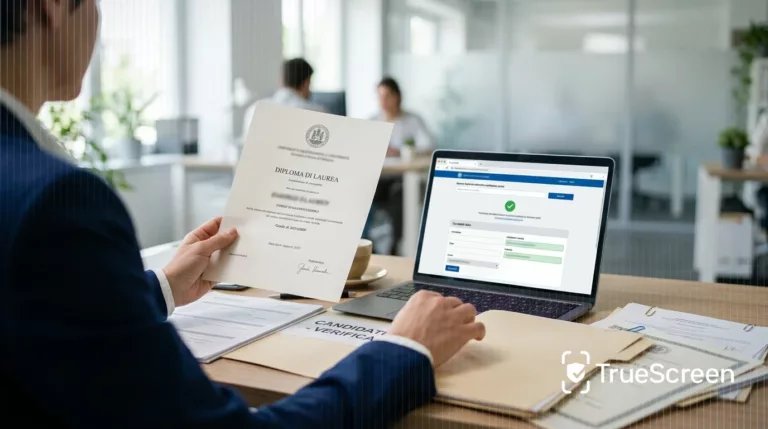
Education Verification in Hiring: What a Registry Check Cannot Prove
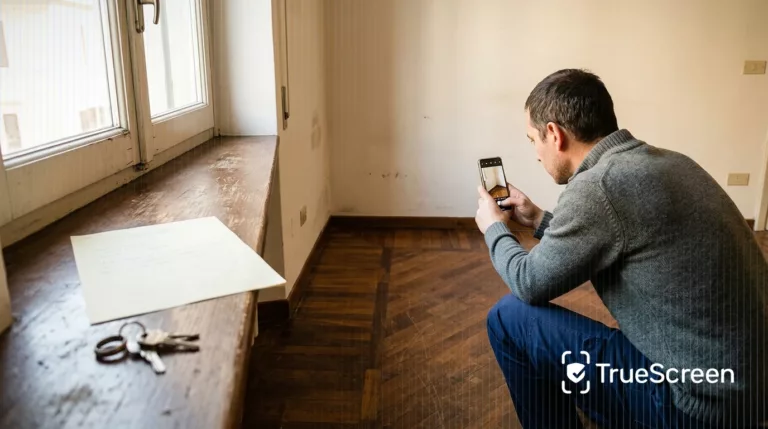
Move-out inspection report: how to prove rental damage

Vacation rental scams: certify the listing, chat and payments before they vanish
Unauthorized account access: what to document before you reset credentials
Forensic Capture of Password-Protected Web Pages: Portals and Private Areas
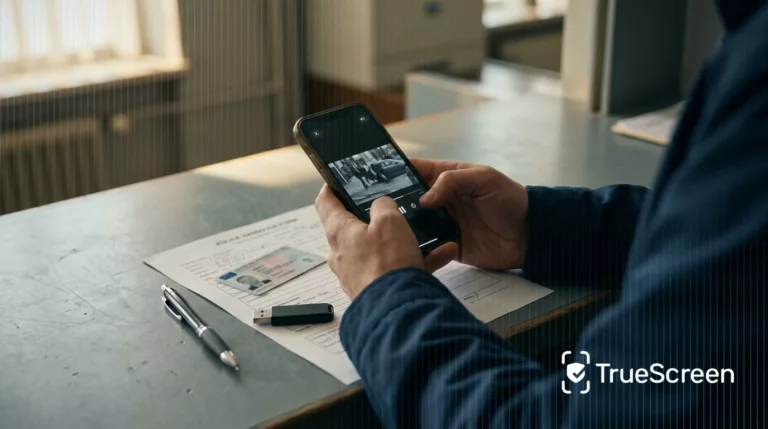
Submitting video evidence to police: what to hand over and in what format
WhatsApp voice notes as court evidence: legal value and how to certify audio messages
Advanced electronic signature with national eID: legal value for businesses and professionals
Certified email formal demand: evidentiary value and common challenges
AI liability insurance: why data certification is a prerequisite for coverage
eIDAS 2.0 Timestamp Requirements: What Changes for QTSPs and Businesses