Tous les contenus
Parcourez tous les articles et analyses du blog TrueScreen
Articles
Qualified electronic timestamps: how they work and when they are legally required
What a qualified electronic timestamp is and why eIDAS Article 41 gives it a legal presumption of accurate date and data integrity across the EU.

Real estate deepfake fraud and forged documents: how to protect transactions
Real estate scams with deepfakes and forged documents: wire fraud risks for buyers and sellers, and how forensic certification protects every transaction.

Deepfake detection: why it fails at scale and what data authenticity platforms do instead
Deepfake detection accuracy drops below 40% on unseen models (NIST). Data authenticity platforms certify content at the source with forensic methodology.
Digital forensics certification: what it means to certify data with forensic standards
Digital forensics certification explained: international standards, forensic acquisition methodology, and chain of custody for court-admissible evidence.

Digital evidence in insurance: how to protect the claims process from AI manipulation
Digital evidence in insurance claims is vulnerable to AI manipulation. Forensic source certification guarantees integrity and legal validity of every.

Data provenance: tracking data origin, lineage, and source authenticity
Data provenance explained: what it means, how it tracks the origin and integrity of data, and why source authenticity matters for AI and enterprises.

Digital Provenance: Definition, Tracking, and Trust in the AI Era
Digital provenance explained: how to track the origin and integrity of digital content and build verifiable trust in the age of AI-generated media.
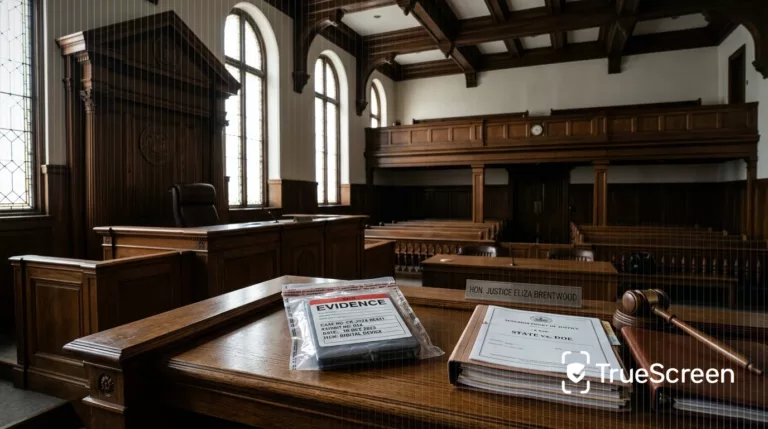
How to Make Digital Evidence Admissible in Court (2026)
What makes digital evidence admissible in court: legal standards, chain of custody and forensic requirements that keep your evidence from being challenged.
ECGT Directive: Why Corporate Environmental Data Must Be Certified
The ECGT Directive requires companies to certify environmental claims with verifiable data. Compliance requirements, timelines, and penalties explained.

Insurance fraud in the generative AI era: why certifying evidence is the only structural defense
AI-generated insurance fraud costs $308 billion a year. Why detection is not enough and how forensic evidence certification changes the rules.
Web page certification: how to obtain digital evidence with legal value
Web page certification turns online content into legally valid evidence. Screenshot limits, alternatives, and forensic methodology explained.

How to certify an email: complete guide to email certification
An ordinary email can carry evidentiary weight when content, sender and date are preserved and verifiable: what makes it stand up in court.

The Future of Digital Trust Infrastructure
From wax seals to HTTPS, trust has always required certification infrastructure. Digital provenance is the next standard organizations must adopt.

Online meeting certification: legal value and real-world use cases
Online meeting certification with legal value: how to guarantee evidentiary standing for video conference recordings in board meetings and arbitration.
AI-Generated Insurance Fraud: Why Evidence Certification Is the Only Scalable Defense
AI-generated synthetic identities and manipulated documents are surging. Why certifying evidence at capture is the only scalable defense for insurers.
E-Evidence Regulation: new rules for cross-border digital evidence
EU businesses face 10-day response deadlines for digital evidence orders starting August 2026. Key requirements, EPOC procedures, and compliance steps.

The Cost of Disinformation for Businesses: Risks and Defenses
The WEF ranks disinformation as the top global risk for 2026. Concrete data on operational, legal and reputational impact and what organizations can do.

Gartner Top 10 Trends 2026: digital provenance among strategic priorities
Why Gartner ranks digital provenance among its top strategic technology trends for 2026, and what verifiable provenance means for enterprises.
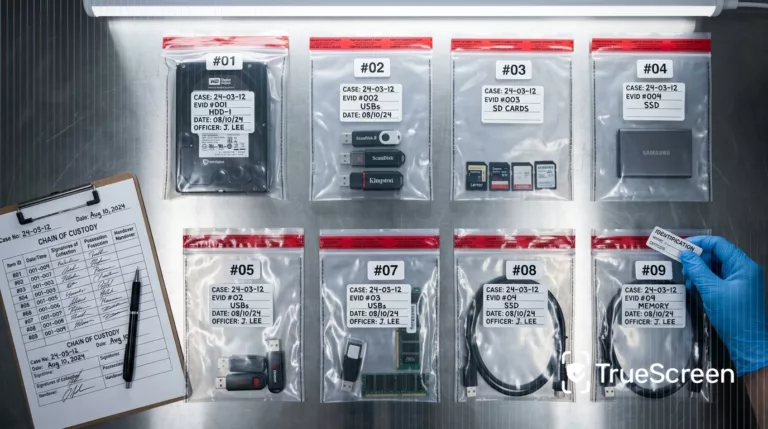
How to certify digital files: a complete guide to forensic certification
Forensic file certification for photos, videos, emails and documents: what it means, how it works, and which international standards to follow.

What is the Data Authenticity Platform?
Data authenticity platforms certify content at capture with forensic methodology. How chain of custody and digital signatures eliminate evidence disputes.
Analyses
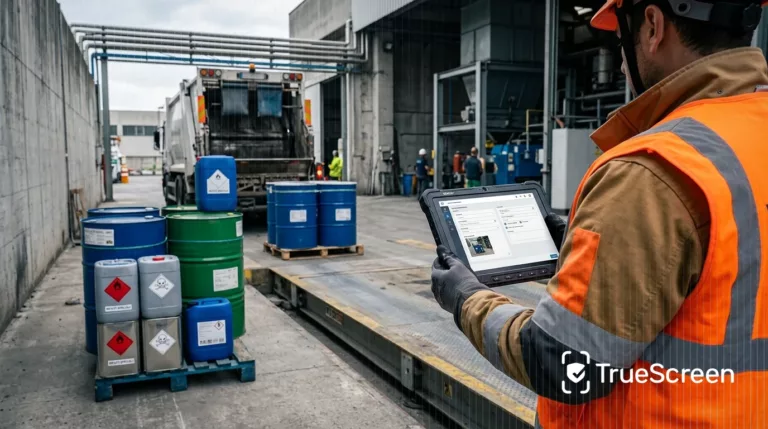
Special waste documentation: the file that holds up under an environmental inspection

Construction Site Handover: Certifying the Condition of the Works to Prevent Disputes
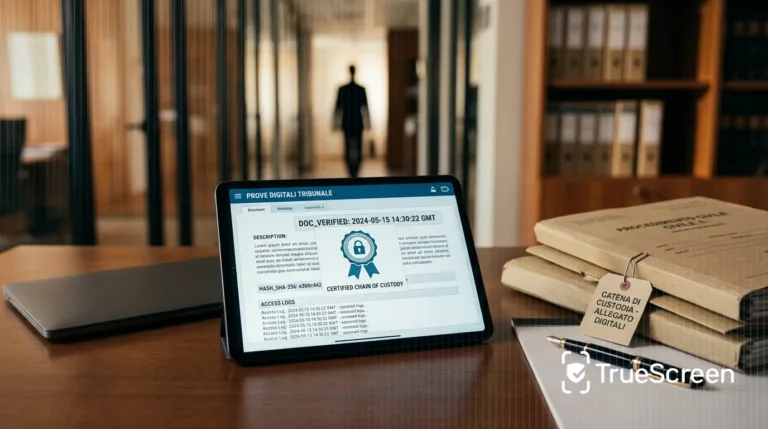
Court-ready digital evidence: the admissibility requirements step by step

Franchise Network Audits: Methodology and Defensible Evidence to Control the Network

Criminal defense investigations: how chain of custody keeps defense evidence admissible

Service report: why the customer’s signature is not enough

Source Data Verification (SDV) in clinical trials: documenting the monitoring visit with FDA-compliant evidence
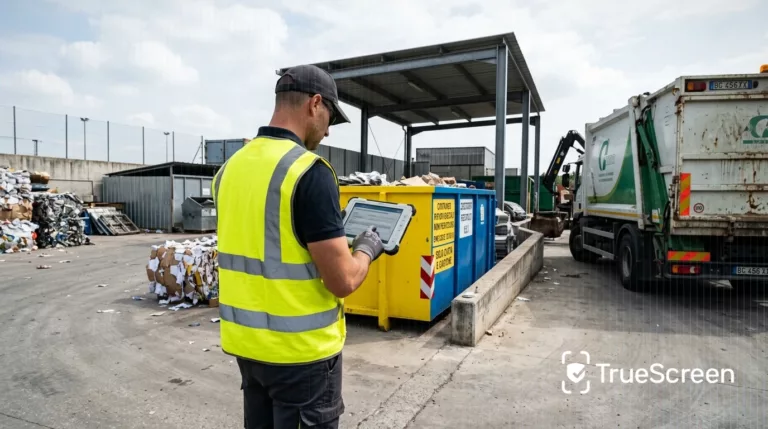
Digital waste identification forms: from PDF to legally sound evidence

Court-appointed property expert: a site-inspection chain of custody that holds up in court
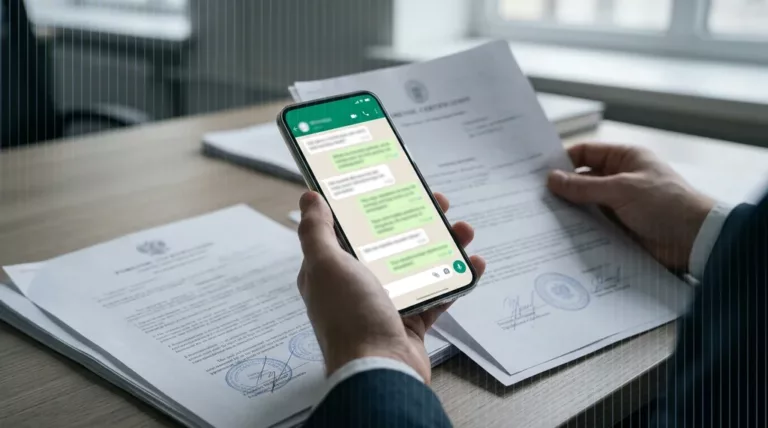
WhatsApp screenshots in court: three steps to real probative value
21 CFR Part 11 and digital evidence in trials: a checklist for sponsors

Mystery shopping in banking: collecting compliant evidence for MiFID II audits

Video identification for AML: when remote video meets customer due diligence requirements
ISO 41001 audit evidence: how to prepare your facility team with certified digital records
EXIF Metadata and Proving the Date of a Photo in Court

Bounded autonomy for AI agents: the prerequisite for insurable governance

Data provenance vs data lineage: differences, standards, and why governance needs both

Timestamp vs digital signature: what each one proves and why you need both

AI training data provenance: how to prove dataset authenticity under the AI Act