All content
Browse all articles and insights from the TrueScreen blog
Articles
File metadata: what it is, what it reveals, and why it is not enough as evidence
File metadata is data about a file: author, dates, device, location. What it reveals in photos, PDFs, video and email, and why it is not...
What Is ESI? Electronically Stored Information in Discovery
ESI means electronically stored information under FRCP 34: scope, Rule 26(f), forms of production, and how to preserve web pages, social posts and chats.
OpenAI and Meta Tell US Judges Deepfakes Won’t Be Reliably Detected
OpenAI's Shira Anderson doubts AI images can be scientifically detected; Meta's Devin Norder says people can't tell. What it means for deepfake evidence.
SynthID on images: what Google’s check shows and what it can’t prove
A SynthID check finds Google's AI image watermark. What a positive result shows, why no watermark proves nothing, and what proves a photo is real.
Internal investigation: how to preserve evidence of employee misconduct
An internal investigation stands on its evidence. How HR and counsel collect and preserve chats, emails, photos and interviews so they survive challenge.
Deepfake evidence in court: how to spot a fake and show that your evidence holds up
Deepfake evidence in court: how fake media enters a case, what digital forensics can establish, and what makes a photo, video or recording defensible.
Sound mark and voice deepfakes: how to protect your voice from AI cloning
A sound mark can support a request to remove a voice deepfake, but it does not protect your voice. What it covers, what it misses...
How to prove a digital file existed on a certain date
How to prove a file existed on a certain date: why file metadata falls short, what a qualified timestamp proves and when to capture at...
Litigation hold: what triggers it, who complies and how to preserve web evidence
A litigation hold starts when a dispute is foreseeable. Who complies, what the notice says, and how to preserve web pages, chats and posts it...
NIS2 compliance evidence: what to keep if supervisors move from guidance to inspections
NIS2 compliance evidence for inspections: what to keep for each measure, incident and supplier, and how to prove its date and integrity.
CEO fraud: the Fideuram case, how to recall the wire transfer and document the attack
CEO fraud sent about 95 million euros out of Fideuram in a few hours. What to do next: ask for a recall, report the attack...
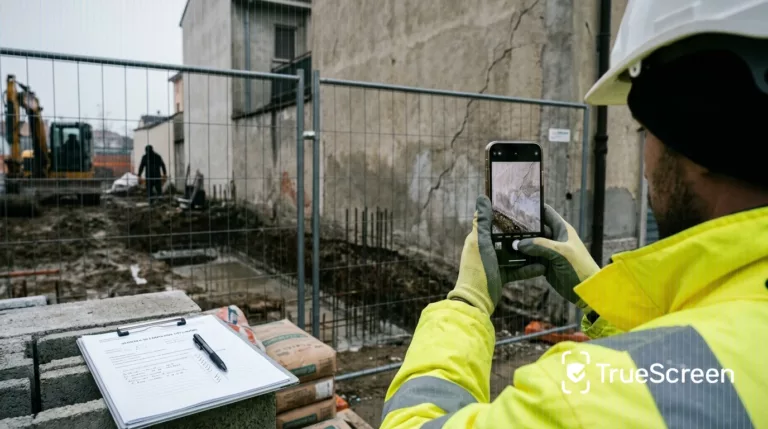
Possession of site: what to record in a pre-construction survey before works begin
Pre-construction survey at possession of site: what to record at commencement, how to document neighboring buildings and keep photos verifiable.
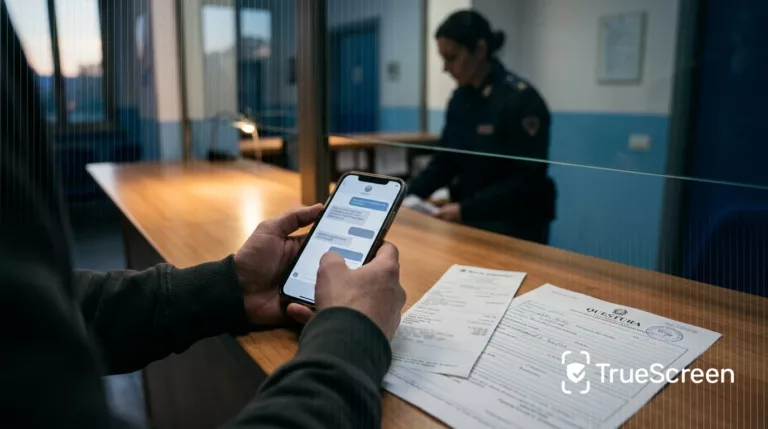
How to report an online scam: where to report it, what evidence you need and how to certify it first
Report an online scam to your bank, the platform and the police, and preserve the listing, chats and emails at the source before they disappear.
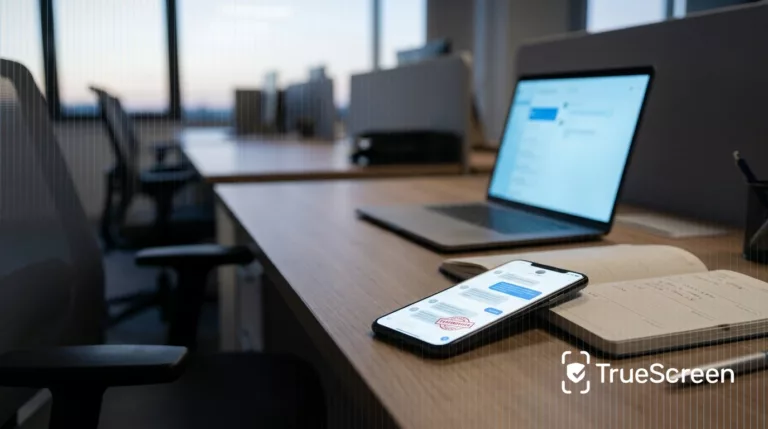
How to prove workplace bullying: what to show and in what order to collect evidence
How to prove workplace bullying: what must be shown, who bears the burden of proof and in which order to collect diaries, messages and witnesses.
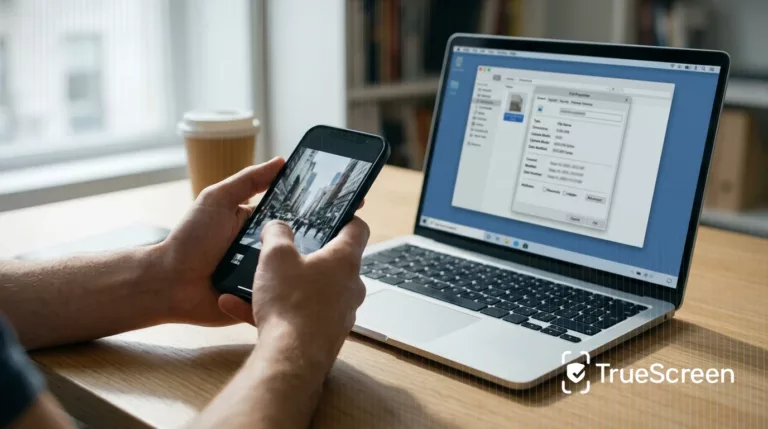
How to tell if an image is AI generated: why the file cannot tell you, and what to do instead
How to tell if an image is AI generated: the file cannot say. Metadata is rewritable, Content Credentials removable, detectors near chance. What works.
Deepfake detection accuracy falls by up to 49% in a year of AI video progress
AI video detection accuracy has collapsed. The DF26 benchmark puts nine detectors near chance, the best at 69.7 AUROC, and humans at 52.6% on fakes.
Missing Trader Fraud: How to Prove the Transaction Behind the Invoice Was Real
Missing trader fraud: why invoices and bank transfers are not enough, and which time-stamped evidence proves the goods and work behind them were real.
AI-written police reports and administrative records: where the data they summarize comes from
AI-generated police reports and government records inherit the gaps of their source data. What human oversight cannot fix and how certified capture helps.
Best evidence rule and digital evidence: when a copy counts as the original
The best evidence rule (FRE 1001-1004) decides when a screenshot or export can replace the original. What a copy must prove: hash, timestamp, custody.
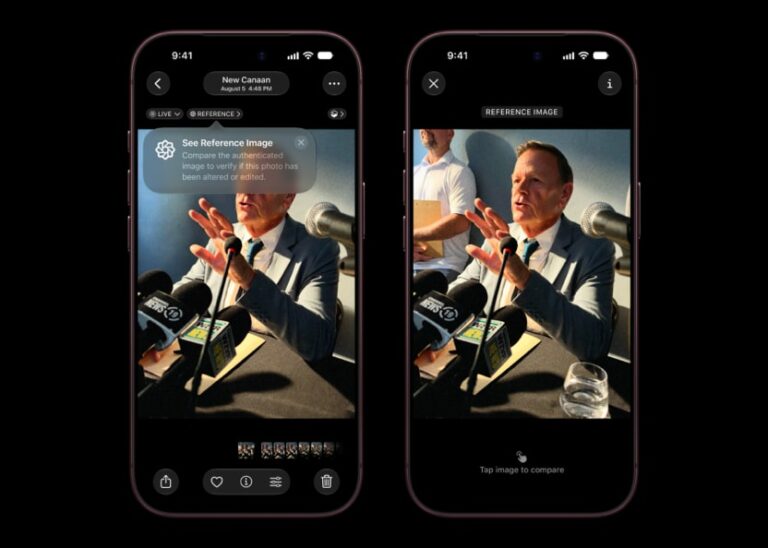
Apple Reference Image: Authenticity Is Built at Source, Not Detected Afterwards
Apple Reference Image signs photos at capture. It confirms the shift from detecting fakes downstream to building authenticity at source, and what it opens up.
Insights
Remote onboarding for foreign customers: proving identity with legal value without a national eID
Post-loss property damage documentation: the photo evidence that prevents insurance disputes
Certified security patrols: from the sign-in sheet to defensible proof
Certifying digital evidence in online public tenders: what to capture and how
Mobbing and workplace harassment: how to collect digital evidence with legal value
GCP ICH E6(R3): digital evidence in decentralized clinical trials
Remote identity verification: certify the capture of document and selfie
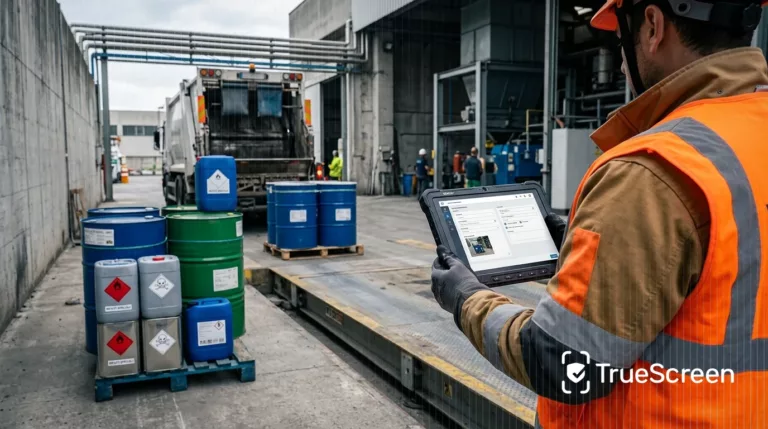
Special waste documentation: the file that holds up under an environmental inspection
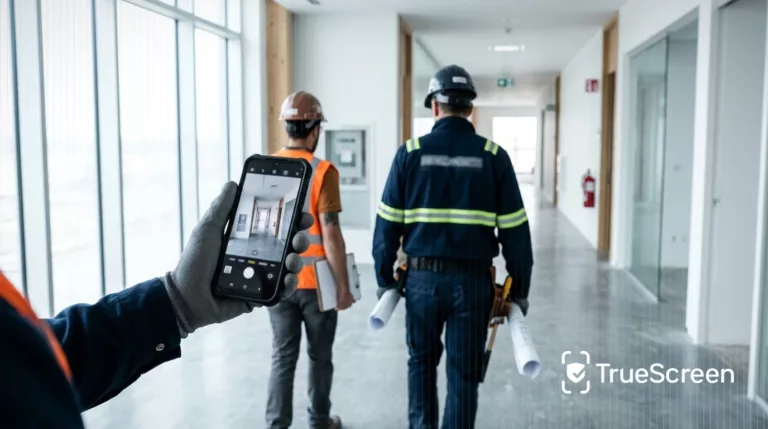
Construction Site Handover: Certifying the Condition of the Works to Prevent Disputes
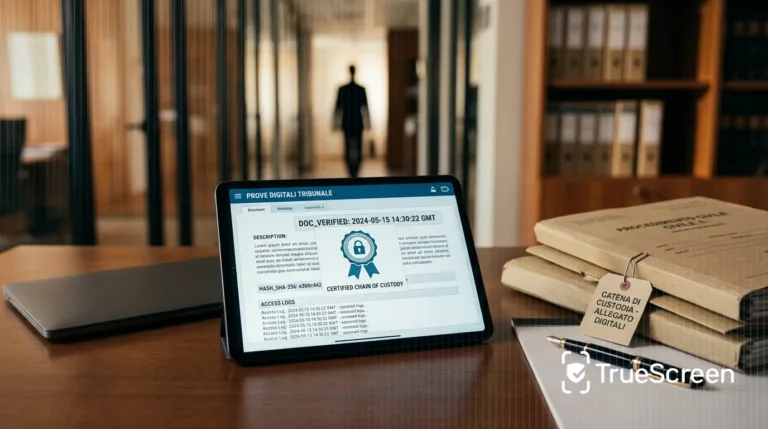
Court-ready digital evidence: the admissibility requirements step by step
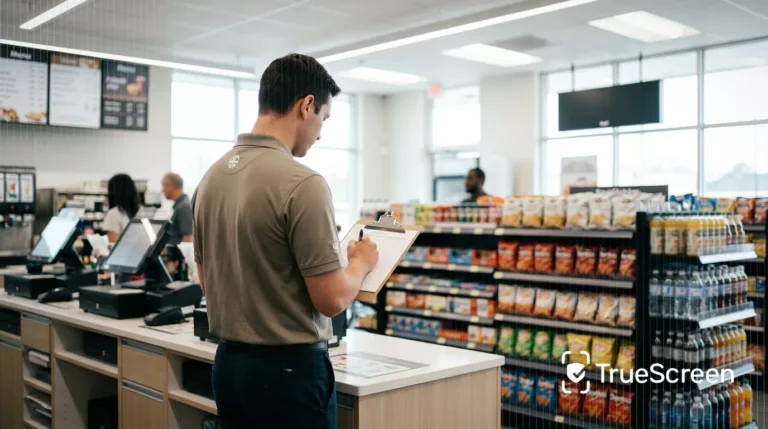
Franchise Network Audits: Methodology and Defensible Evidence to Control the Network
Criminal defense investigations: how chain of custody keeps defense evidence admissible
Service report: why the customer’s signature is not enough
Source Data Verification (SDV) in clinical trials: documenting the monitoring visit with FDA-compliant evidence
Digital waste identification forms: from PDF to legally sound evidence
Court-appointed property expert: a site-inspection chain of custody that holds up in court
WhatsApp screenshots in court: three steps to real probative value
21 CFR Part 11 and digital evidence in trials: a checklist for sponsors
Mystery shopping in banking: collecting compliant evidence for MiFID II audits