The 2026 Budget Law (Law No. 199/2025), approved on 30 December 2025, reintroduces hyper depreciation among the tax measures designed to support companies’ digital transformation and accelerate investments in Industry 4.0 technologies, with a focus on cybersecurity, artificial intelligence, data spaces, and interoperability.
From 1 January 2026 to 30 September 2028, Italian companies can apply an increased tax deduction to the costs of eligible assets and qualified software, reducing their IRPEF/IRES taxable income.
As a result, hyper depreciation 2026 becomes one of the key tools for planning purchases and projects with a more favorable tax impact, provided the required conditions are met.
This is a clear political and economic signal: the State recognizes data authenticity, information integrity, and protection against cyber risk as pillars of economic competitiveness in 2026.
An incentive against real threats: from ransomware to deepfakes
Hyper depreciation 2026 comes at a time when not only digitalization is accelerating, but also some now structural threats:
- ENISA Threat Landscape 2025 reports 4,875 cybersecurity incidents (ransomware, DDoS, network compromises, and data breaches) between July 2024 and June 2025, with ransomware accounting for 81.1% of cybercrime. Incidents like these can disrupt operations, supply chains, and customer relationships.
- Europol EU-SOCTA 2025 highlights how AI increases the speed and scale of deepfakes, voice cloning, and automated fraud: synthetic content can deceive decision-making and authorization processes, with significant economic impact.
- World Economic Forum and Accenture, Global Cybersecurity Outlook 2026 reports that 87% of surveyed leaders identified AI-related vulnerabilities as among the fastest-growing cyber risks.
In this context, it is increasingly critical to be able to demonstrate the reliability of digital information that enters corporate processes such as audits, approvals, claims, disputes, quality controls, and incident response.
How hyper depreciation 2026 works: requirements, eligible assets, and uplift rates
The incentive applies to companies based in Italy, regardless of size or industry, provided they meet baseline requirements such as:
- compliance with workplace health and safety regulations;
- regular payment of social security and welfare contributions for employees.
Eligibility of purchases and projects depends on whether the asset or software falls under the law’s Annexes IV and V.
Eligible assets
Eligible assets include new tangible and intangible Industry 4.0 assets, such as interconnected machinery, equipment, and software, as specified in Annexes IV and V.
Tax uplift rates on the net investment cost
| Investment bracket | Tax uplift rate |
|---|---|
| Up to €2.5 million | +180% |
| Over €2.5 million and up to €10 million | +100% |
| Over €10 million and up to €20 million | +50% |
Hyper depreciation 2026 and digital trust: why data authenticity and integrity matter
In 2026, competitiveness depends above all on the ability to manage and guarantee digital information that is verifiable, traceable, and defensible when it truly matters.
In critical processes, cybersecurity is not only about “prevention”. It is also the ability to:
- reconstruct what happened;
- reduce the contestability of content and communications;
- ensure traceability and immutability of data throughout its lifecycle.
This is why key concepts come into play: data authenticity and integrity, verifiable digital provenance, and a tamper-resistant chain of custody.
TrueScreen aligns with the goals of hyper depreciation 2026
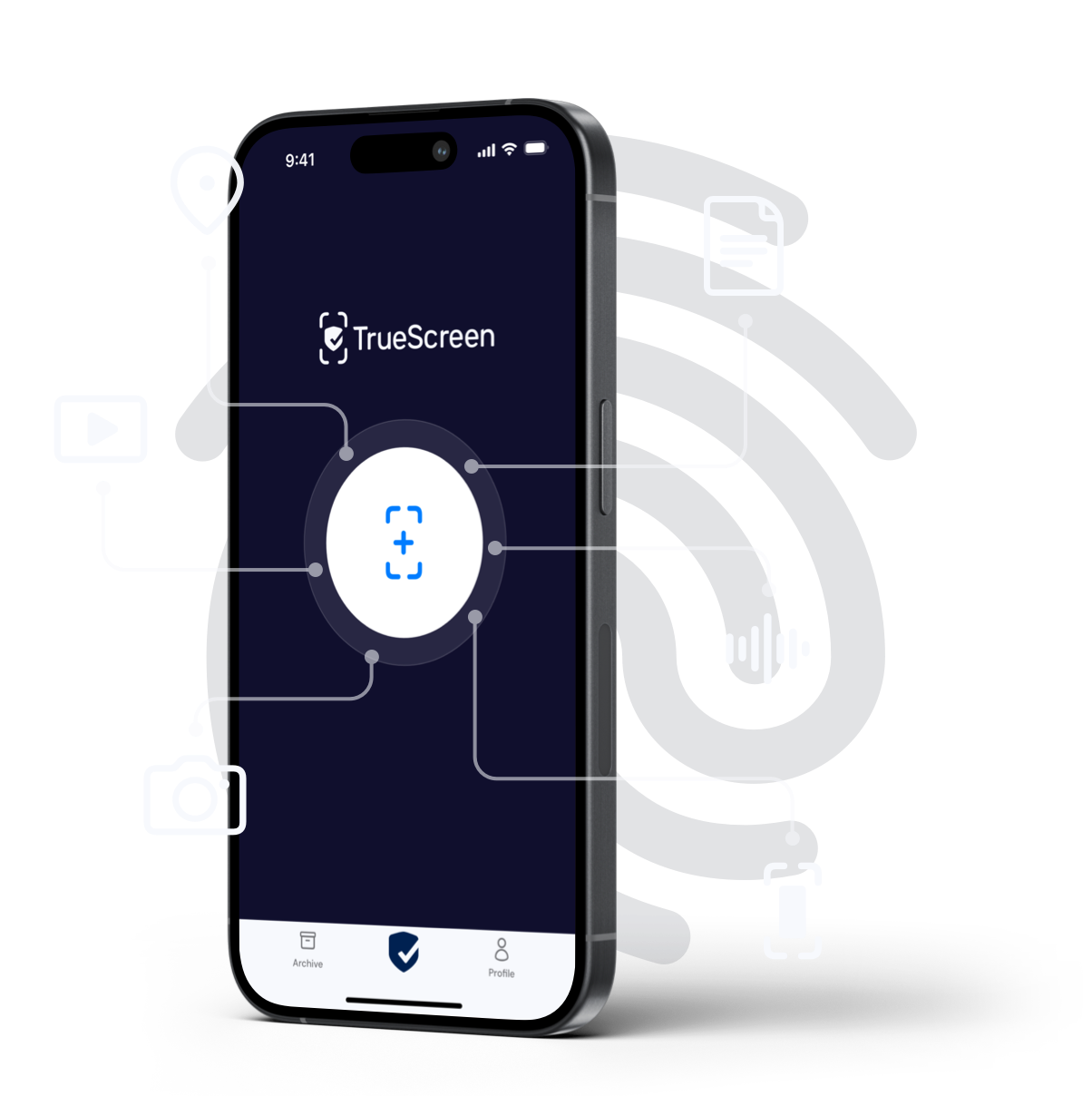
TrueScreen is the Data Authenticity Platform that enables professionals and organizations to obtain authentic and reliable digital information in their most critical business processes, enabling faster, fraud-resistant, and compliance-oriented operations.
With hyper depreciation 2026, certified provenance, an unalterable chain of custody, and verifiable forensic metadata are foundational capabilities that companies can now support through investments, turning information security into a concrete competitive advantage.
Through an end-to-end forensic-grade process for data acquisition, verification, and certification, TrueScreen enables:
- end-to-end digital provenance;
- content traceability;
- verifiable forensic metadata;
- data handling designed to reduce fraud, disputes, and operational risk.
The certified evidence produced:
- can have legal and evidentiary value, aligned with eIDAS, international forensic standards, and GDPR (depending on jurisdiction and case context);
- follows references such as ISO/IEC 27037 for the acquisition, handling, and integrity of digital evidence;
- includes a forensic technical report with elements such as cryptographic hashes, a certified timestamp, GPS, and other relevant metadata.
FAQ: hyper depreciation 2026 and TrueScreen
In this section you’ll find concise answers to the most common questions about hyper depreciation 2026, its requirements and scope, and what you can certify with TrueScreen.
What is hyper depreciation 2026?
It is an incentive under the 2026 Budget Law that allows companies to apply an increased tax deduction to the cost of eligible Industry 4.0 assets and qualified software, reducing IRPEF/IRES taxable income according to the percentages set by the law.
What is the validity period for hyper depreciation 2026?
The measure applies to investments made from 1 January 2026 to 30 September 2028, subject to the requirements and conditions provided by the regulation.
Which companies can access hyper depreciation 2026?
In general, companies based in Italy can access it, regardless of size or industry, provided they meet baseline requirements (for example, workplace safety compliance and contribution regularity).
What types of investments are eligible under hyper depreciation 2026?
It depends on whether the assets and software fall under Annexes IV and V of the law (interconnected Industry 4.0 tangible and intangible assets, and more).
What content can I certify with TrueScreen?
You can certify photos, videos, screenshots, screen recordings, chats, web pages, audio, emails, and documents.
Do TrueScreen certifications have legal value?
Certified content produced with TrueScreen can have legal and evidentiary value, aligned with frameworks such as eIDAS, international forensic standards, and GDPR. The methodology follows references such as ISO/IEC 27037, and each certification includes a forensic technical report (hashes, certified timestamp, GPS, and metadata).
Make your digital evidence indisputable
TrueScreen is a Data Authenticity Platform that helps companies and organizations protect, verify, and certify the origin, history, and integrity of content and information flows, turning them into digital evidence with legal value.