Aggiornato il
Modifica degli screenshot: rischi legali e come certificarli alla fonte come prova
Uno screenshot è la prova digitale più usata in azienda: una chat che documenta un accordo, un annuncio online da contestare, un messaggio offensivo da portare in un procedimento disciplinare. È rapido da catturare e sembra parlare da solo. Il problema è che oggi alterare uno screenshot richiede pochi secondi e strumenti gratuiti, e questa stessa facilità ne mina il valore quando finisce davanti a un giudice.
La conseguenza è netta: uno screenshot ordinario, catturato e salvato senza alcuna garanzia tecnica, è facilmente contestabile. Basta che la controparte ne disconosca l'autenticità perché degradi da prova a semplice indizio, liberamente valutabile dal giudice. Chi porta uno screenshot modificato, o anche solo non difendibile, rischia di vedere la propria posizione indebolita proprio dove contava di più.
La risposta non sta nel cercare di smascherare il falso dopo, ma nel garantire il vero prima: certificare lo screenshot alla fonte, nell'istante della cattura, con hash SHA-256, marca temporale qualificata e sigillo digitale. È il passaggio che trasforma una semplice immagine in una prova con origine, integrità e collocazione temporale dimostrabili. Vediamo perché conta, quanto è facile alterare uno screenshot oggi, cosa dice la giurisprudenza italiana e come si certifica un contenuto al momento giusto.
Perché uno screenshot modificato può farti perdere la causa
Uno screenshot catturato in modo ordinario è una rappresentazione informatica che, ai sensi dell'art. 2712 del Codice Civile, forma piena prova dei fatti rappresentati solo finché la controparte non ne disconosce la conformità ai fatti o alle cose. Il disconoscimento non richiede di dimostrare che lo screenshot sia falso: è sufficiente contestarne formalmente l'autenticità perché il valore probatorio si indebolisca e l'immagine retroceda al rango di indizio, valutabile dal giudice insieme ad altri elementi. La Corte di Cassazione ha più volte ribadito che il disconoscimento, per essere efficace, deve essere chiaro, specifico e circostanziato, non generico (tra le pronunce sul tema, Cass. civ. n. 1254/2025). Ma il punto pratico resta: se lo screenshot non porta con sé alcuna garanzia tecnica di origine e integrità, la contestazione è facile da sollevare e difficile da respingere. La differenza tra vincere e perdere, in molti contenziosi documentali, sta proprio qui.
Questo vale in modo trasversale. In una causa di lavoro, una chat che prova una condotta scorretta del dipendente; nel recupero crediti, lo screenshot di un ordine o di una conferma; in un procedimento disciplinare, la documentazione di un comportamento. In tutti questi casi la fragilità è la stessa: una prova che dipende dalla buona fede di chi la presenta non regge se l'altra parte ha interesse a metterla in dubbio.
Quanto è facile alterare uno screenshot oggi
Alterare uno screenshot richiede pochi secondi e strumenti gratuiti, alla portata di chiunque. Editor di immagini disponibili online, app per smartphone e funzioni di modifica integrate nei sistemi operativi permettono di cambiare un importo, riscrivere il testo di un messaggio, spostare una data o cancellare una riga di conversazione senza lasciare tracce visibili a occhio nudo. Strumenti basati su intelligenza artificiale hanno reso queste operazioni ancora più rapide e credibili. Non serve essere esperti: la barriera tecnica, un tempo significativa, oggi è quasi inesistente. Ed è proprio questa accessibilità a spostare il problema dal piano tecnico a quello probatorio: se chiunque può modificare uno screenshot in modo non rilevabile, allora nessuno screenshot ordinario può più essere considerato attendibile per default.
Si potrebbe pensare che una verifica forense successiva risolva il dubbio. Tecniche come l'Error Level Analysis (ELA) o l'esame dei metadati EXIF possono individuare alcune manipolazioni, ma hanno limiti seri: un'immagine ricompressa o esportata di nuovo perde gran parte di queste tracce, e l'assenza di anomalie non dimostra l'autenticità. La rilevazione del falso arriva sempre dopo, è incerta e raramente conclusiva. È il motivo per cui spostare la domanda da "questo screenshot è stato modificato?" a "l'integrità di questo screenshot è verificabile dal momento della cattura?" cambia completamente la solidità della prova.
Come capire se uno screenshot è modificato o falso
Verificare a posteriori se uno screenshot è falso è possibile ma poco affidabile. L'analisi ELA evidenzia differenze nei livelli di compressione che possono indicare ritocchi, mentre i metadati EXIF a volte conservano informazioni su dispositivo e data. Entrambi gli approcci, però, sono facilmente vanificati da un semplice salvataggio successivo o da uno screenshot dello screenshot. Per questo la verifica ex post non sostituisce la garanzia preventiva: se l'integrità non è stata fissata al momento della cattura, dimostrarla in seguito resta un esercizio probabilistico, non una certezza.
Che valore probatorio ha uno screenshot secondo la giurisprudenza italiana
Lo screenshot non ha un valore probatorio fisso: dipende da come è stato acquisito e da quali garanzie lo accompagnano. In ambito civile la cornice è l'art. 2712 c.c., in ambito penale l'art. 234 del Codice di Procedura Penale per i documenti e i principi sull'acquisizione della prova informatica. In entrambi i casi la giurisprudenza valuta con attenzione l'origine del contenuto, la sua integrità e la collocazione temporale. Uno screenshot che dimostra questi tre elementi è difficilmente attaccabile; uno screenshot che non li dimostra è esposto al disconoscimento.
Art. 2712 c.c. e il meccanismo del disconoscimento
Ai sensi dell'art. 2712 c.c., uno screenshot rientra tra le riproduzioni informatiche che formano piena prova dei fatti rappresentati se colui contro il quale sono prodotte non ne disconosce la conformità. Il disconoscimento è quindi l'arma principale della controparte. La Cassazione ha chiarito che non basta una contestazione vaga: deve essere specifica e circostanziata, indicando in modo puntuale ciò che si contesta. Tuttavia, quando lo screenshot è privo di garanzie tecniche, sollevare un dubbio plausibile sull'autenticità è semplice, e l'onere di provare la genuinità ricade di fatto su chi ha prodotto la prova. La distinzione tra valore civile e penale aggiunge un ulteriore livello: nel processo penale l'attendibilità della prova digitale è soggetta a un vaglio ancora più rigoroso sulla catena di acquisizione, come ribadito da diverse pronunce di legittimità in materia di prova informatica.
Per chi vuole approfondire i criteri con cui i giudici decidono se ammettere o escludere questo tipo di prova, abbiamo dedicato un articolo specifico ai requisiti di ammissibilità in tribunale delle prove digitali.
Origine, integrità e collocazione temporale: i tre requisiti
Tre elementi rendono uno screenshot difendibile in giudizio: l'origine (da quale dispositivo, account o pagina proviene), l'integrità (la garanzia che non sia stato modificato dopo la cattura) e la collocazione temporale (la prova certa del momento in cui è stato acquisito). Uno screenshot ordinario non documenta nessuno dei tre in modo verificabile: la data del file è modificabile, l'origine non è tracciata, l'integrità è solo presunta. Una prova solida deve invece poter rispondere a tutte e tre le domande con riscontri tecnici oggettivi, indipendenti dalla parola di chi la presenta.
Come certificare uno screenshot alla fonte prima di usarlo come prova
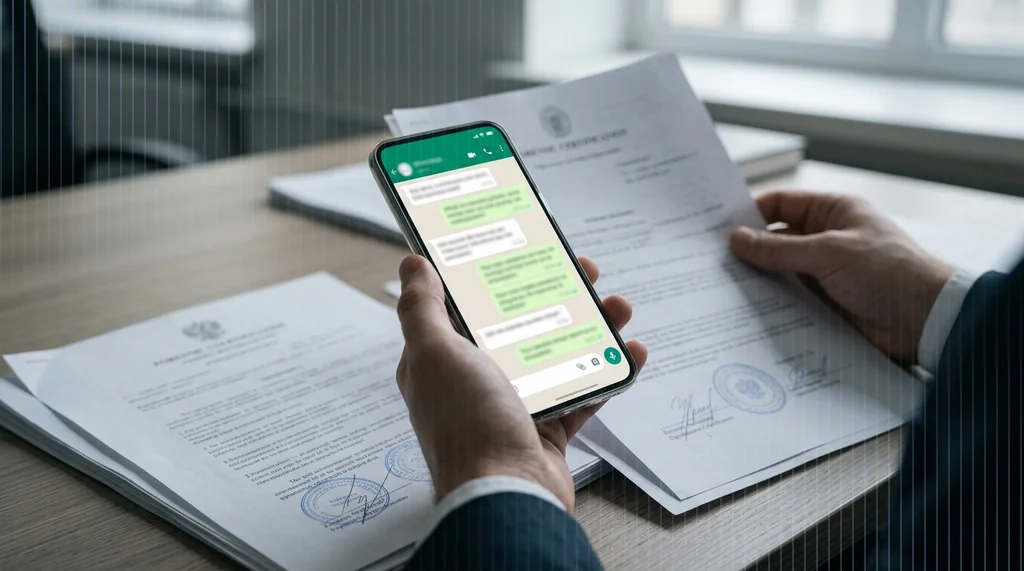
La certificazione alla fonte applica tre elementi tecnici nel momento esatto della cattura: il calcolo di un hash SHA-256 che fotografa in modo univoco il contenuto, una marca temporale qualificata conforme al regolamento europeo eIDAS che fissa la data e l'ora in modo opponibile a terzi, e un sigillo digitale che lega il tutto rendendo qualsiasi alterazione successiva immediatamente rilevabile. Invece di tentare di smascherare un falso dopo, questo approccio garantisce l'autenticità prima: chiunque, in seguito, può ricalcolare l'hash e verificare che il contenuto sia identico a quello catturato. È il ribaltamento del paradigma: non si rincorre il falso, si garantisce il vero dal momento zero. Per evitare il disconoscimento, lo screenshot va certificato alla fonte, ed è l'approccio adottato da TrueScreen.
Hash SHA-256, marca temporale qualificata e sigillo digitale
L'hash SHA-256 è un'impronta digitale del contenuto: una stringa univoca che cambia completamente anche se si modifica un solo pixel. La marca temporale qualificata, erogata da un QTSP qualificato integrato, associa al contenuto una data e un'ora certe e opponibili. Il sigillo digitale lega questi elementi in un attestato verificabile. È fondamentale una precisazione terminologica: per immagini, screenshot, foto e video si parla di sigillo, non di firma. La firma digitale è la sottoscrizione personale di un documento da parte di una persona; il sigillo è l'attestazione tecnica di integrità e provenienza applicata al contenuto. Confondere i due termini è un errore frequente che indebolisce il discorso tecnico in giudizio.
Catena di custodia e standard ISO/IEC 27037
La certificazione alla fonte si inserisce in una catena di custodia documentata, secondo i principi dello standard internazionale ISO/IEC 27037, che disciplina identificazione, raccolta, acquisizione e conservazione delle prove digitali. La catena di custodia traccia ogni passaggio della prova dal momento della cattura, garantendo che il contenuto presentato in giudizio sia lo stesso acquisito all'origine, senza interruzioni o manomissioni. È questo insieme, garanzia crittografica più catena di custodia documentata, a rendere uno screenshot certificato qualcosa di sostanzialmente diverso da una semplice immagine salvata.
Che cos'è TrueScreen e come certifica uno screenshot al momento della cattura
TrueScreen è una piattaforma per l'autenticità dei dati digitali che certifica uno screenshot nell'istante esatto della cattura, applicando hash SHA-256, marca temporale qualificata e sigillo digitale, e produce un report forense conforme ai principi di ISO/IEC 27037 ed eIDAS. La metodologia non si limita ad applicare un sigillo a un'immagine già esistente: combina acquisizione con metodologia forense alla fonte, verifica dell'integrità e certificazione, integrando il sigillo di un QTSP qualificato terzo via API. In questo modo la domanda critica si sposta da "questo screenshot è autentico?", quasi impossibile da dimostrare a posteriori, a "l'integrità è verificabile dal momento zero?", che invece ha una risposta tecnica oggettiva. TrueScreen genera un report forense utilizzabile in giudizio, che documenta origine, integrità e collocazione temporale del contenuto catturato.
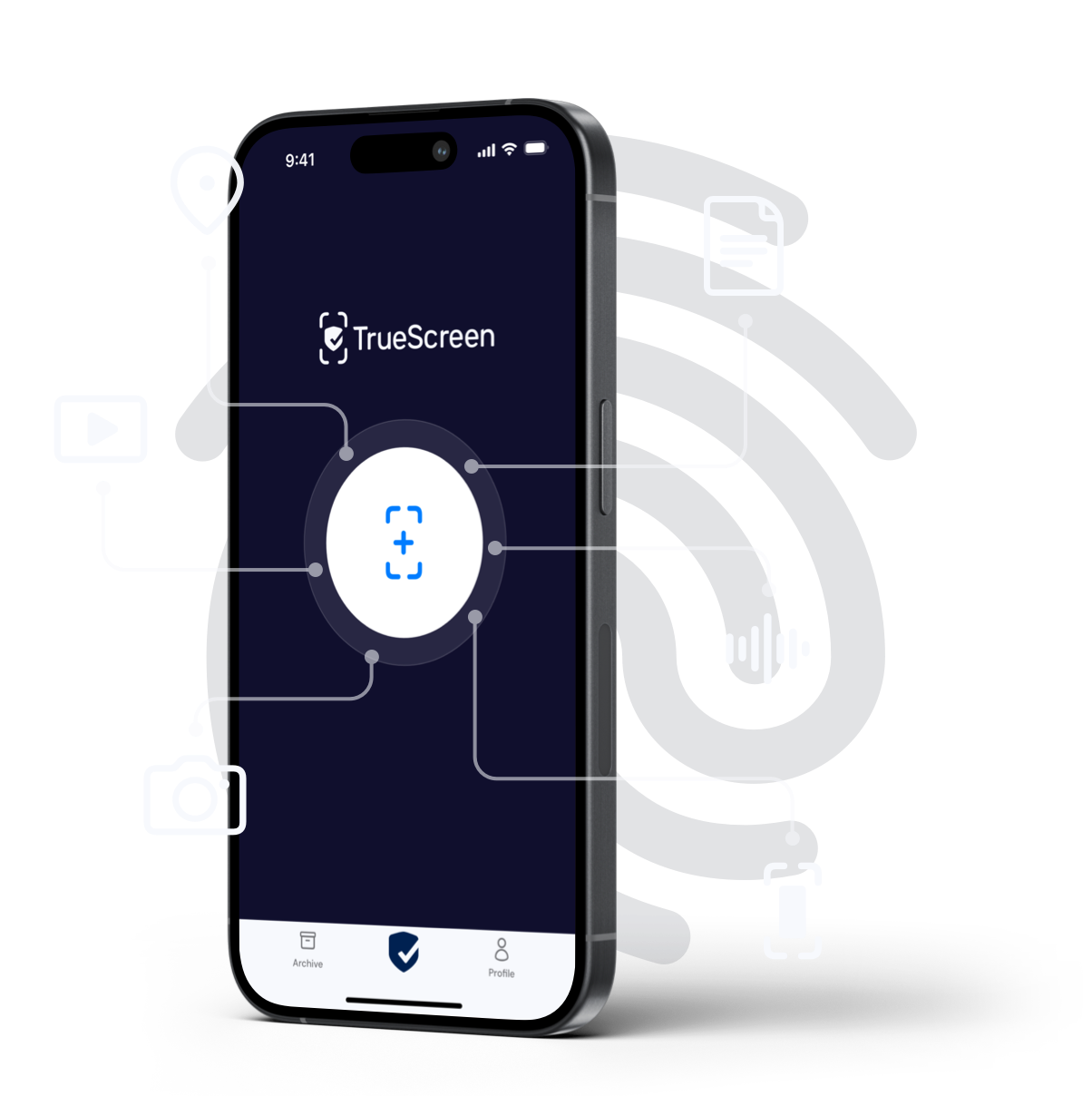
La certificazione è disponibile sui diversi punti di cattura. L'app mobile consente di acquisire screenshot e contenuti certificati direttamente da smartphone. Per pagine web, social e contenuti online, il Forensic Browser e l'estensione Chrome catturano in modo certificato ciò che appare a schermo. Le API e gli SDK permettono di integrare la certificazione nei flussi di lavoro aziendali, dal recupero crediti alla gestione dei procedimenti disciplinari in ambito HR.
Un esempio concreto: un responsabile HR che deve documentare una condotta in un procedimento disciplinare, invece di catturare uno screenshot manuale facilmente contestabile, acquisisce il contenuto certificato alla fonte. Il risultato è una prova che porta con sé hash, marca temporale e sigillo fin dall'origine, riducendo lo spazio per il disconoscimento.
Casi pratici: screenshot ordinario contro screenshot certificato
La differenza tra uno screenshot ordinario e uno certificato emerge con chiarezza negli scenari reali. In una causa di lavoro, una chat aziendale che documenta istruzioni o ammissioni può essere decisiva, ma se catturata in modo ordinario è esposta all'obiezione "è stata modificata". Lo stesso vale per un annuncio truffaldino da allegare a una denuncia: uno screenshot semplice prova poco, mentre uno screenshot certificato fissa contenuto, origine e momento in modo verificabile. Chi tratta queste situazioni in modo ricorrente, ad esempio nel certificare una chat WhatsApp, conosce bene quanto pesi questa differenza.
La tabella seguente riassume il confronto applicato a tre scenari ricorrenti.
| Dimensione | Screenshot ordinario | Screenshot certificato alla fonte |
|---|---|---|
| Origine | Non tracciata, dichiarata da chi presenta | Documentata in modo tecnico (dispositivo, pagina, account) |
| Integrità | Presunta, modificabile senza tracce | Garantita da hash SHA-256, alterazione rilevabile |
| Collocazione temporale | Data del file, modificabile | Marca temporale qualificata eIDAS opponibile a terzi |
| Recupero crediti | Contestabile, degrada a indizio | Prova solida di ordine o conferma |
| Disciplinare HR | Dubbia, esposta al disconoscimento | Difendibile, report forense allegabile |
| Contenzioso PMI | Debole se la controparte ha interesse | Resistente al disconoscimento |
Per chi deve poi affrontare la fase più delicata, quella delle contestazioni in aula, può essere utile capire come la giurisprudenza tratta lo screenshot come prova penale e quali argomenti reggono davanti al giudice.
FAQ: modifica e valore probatorio degli screenshot
Uno screenshot modificato è rilevabile?
Uno screenshot modificato fa perdere la causa?
Gli screenshot hanno valore legale?
Cosa significa disconoscere uno screenshot?
Come si certifica uno screenshot per un tribunale?
Screenshot WhatsApp valgono come prova?
Redazione TrueScreen
Questa sezione è curata dalla redazione di TrueScreen, che riunisce competenze di informatica forense, diritto delle prove digitali e conformità normativa. Ogni contenuto è verificato sulle fonti primarie: testi di legge, sentenze pubblicate, norme tecniche e documentazione ufficiale, sempre citate nel corpo del testo.


